
Viper Royale demo: can you try the game without paying?
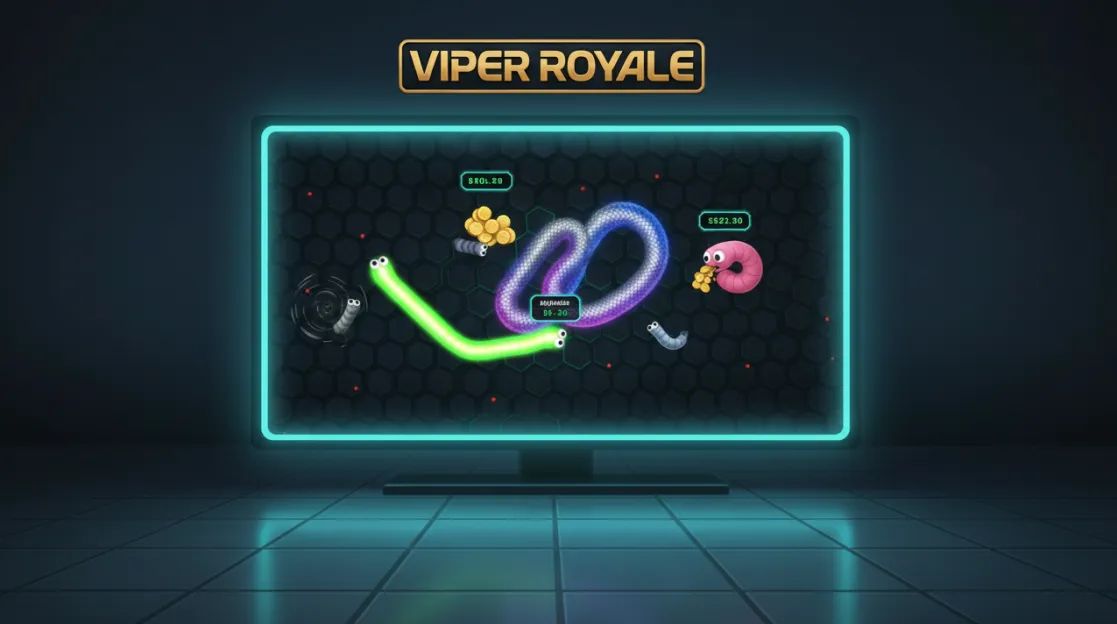
What a demo is and how it differs from real-money play
A demo, also called free play or practice mode, is a version of a game in which no real money is staked and none can be paid out. Online casinos commonly offer such a mode for their titles so that visitors can see how a game looks, sounds and responds before they commit funds. The screen, the controls and the general flow of a round are meant to resemble the real thing; the difference lies in what is on the line.
In real-money play, every round carries a financial consequence. Your balance moves, deposits matter, and decisions feel different because the outcome touches your wallet. In a demo, the balance is virtual and is usually topped up automatically or on request, which means the pressure that shapes real decisions is absent. That is the whole point of the mode, and also its main limitation: it tells you how a game works, not how you will feel when your own money is involved.
Whether a Viper Royale demo is available depends on the casino that offers the game, so the sensible first step is to check the game page at the casino and read the rules there. Some casinos require a registered account even for free play; others let you open the demo without one. The conditions, and anything the casino attaches to the mode, are set out in its own terms. As a skill game played for real money, Viper Royale should always be approached with the knowledge that only adults aged 18 and over may play, and that real-money play can result in a loss.
Moving from the demo to real money
Switching from practice to paid play is the moment where a budget matters most. Treat the following points as a checklist to complete before the first real round:
- Read the rules first. The rules of the game and the casino’s terms explain how rounds, entries and payouts work. A demo can make you feel you understand a game when some details only appear in the written rules. If you want a walkthrough of the basics, the How to play page covers them.
- Set a budget before you deposit. Decide on an amount you can afford to lose, treat it as the price of entertainment and never as an investment. Once it is spent, the session ends.
- Use the limits the casino provides. Reputable casinos usually offer deposit limits, loss limits and session reminders. Set them while you are calm, not in the middle of a round.
- Expect real play to feel different. Decisions made with virtual credit tend to be bolder. Move slowly at first and notice how your behaviour changes when real funds are involved.
- Never chase losses. A bad session is not a reason to deposit more. If you feel the urge, stop and step away.
- Check what costs money. Entry fees, deposits and any optional extras are priced by the casino, so look at those terms before you commit.
- Keep play separate from essential spending. Rent, bills and savings are never part of a gaming budget.
If gambling stops being enjoyable, free and confidential support is available: Gambling Therapy (https://gamblingtherapy.org) offers online help worldwide, Gamblers Anonymous (https://www.gamblersanonymous.org) holds meetings in person, online or by phone, and Gam-Anon (https://www.gam-anon.org) supports family and friends.
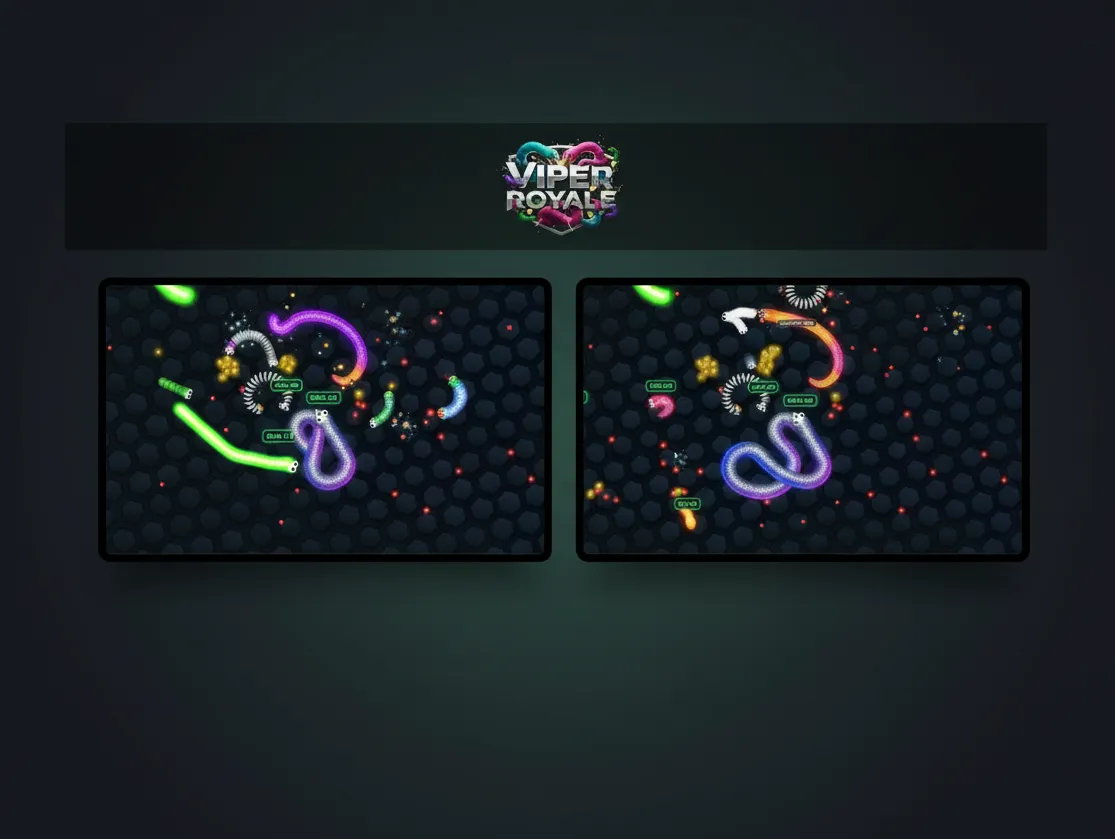
Where a demo can differ from the real game
A free version is a preview, not a full replica. Games of this kind commonly differ between free and paid play in several ways, and each point is worth confirming in the rules and at the casino:
- No real prizes. Anything won in a demo is virtual and has no cash value. It cannot be withdrawn, and it says nothing about what a paid session would bring.
- Tournaments and competitive formats may be absent. Events that depend on real entries and real rankings are often reserved for paid play, so a demo may not show how those formats run.
- Some features may be restricted. Certain modes, bonuses or extras can be switched off in free play. It is unwise to assume that the demo shows the complete feature set.
- Opponents and conditions can differ. In skill games, the pace and the level of other participants may not match what you meet when real stakes attract more serious players.
- Account-linked features may not apply. Progress, rewards or loyalty benefits tied to a funded account generally do not carry over from a demo.
- Technical behaviour can vary. Loading times, interface details and settings may differ slightly between the free and the paid versions.
- The emotional side is missing. Nothing in a demo reproduces the tension of risking your own money, which is often the biggest difference of all.
For these reasons, a demo serves best for learning the layout and the pace, while the written rules remain the final word on how the real game works.
Why try the free version first
Starting with free play is the budget-conscious choice, because every minute spent learning without staking money is a minute that costs nothing. The main reasons to begin there:
- Learn the rules without a price tag. Mistakes made in a demo are free. You can find out how a round is structured and what each control does before any money is involved.
- Get a feel for the pace. Some games move quickly and some slowly. Watching how fast rounds unfold helps you judge whether the tempo suits you and how long a session might last.
- Understand the features. Menus, settings and optional elements are easier to explore when there is nothing to lose. You can return to them as often as you like.
- Test your own habits. Notice whether you play carefully or impulsively. Habits that show up in a demo will usually follow you into paid play, and recognising them early helps you set sensible limits.
- Decide whether the game is for you. Not every title suits every player. If the demo does not appeal, you have lost nothing and can walk away.
- Plan your budget with more confidence. Once you understand how the game flows, you can set a spending limit that matches how you actually want to play.
Trying a free version does not remove the risks of paid play, and it does not predict results. Gamble only if you are 18 or older, only with money you can afford to lose, and stop when the fun stops.