
How to Play Viper Royale: A Budget-First Guide for Beginners

Basic rules and how a round is decided
Skill games of this kind share a common structure, and the points below describe how such games usually work. The exact rules of Viper Royale are always set out in the game’s own rules and at the casino where you play.
- The goal. In a skill game, the result depends mainly on what you do, not on a draw. Read the objective on the rules screen before you stake anything.
- How a round starts. A round normally begins once you confirm a stake or an entry and the game signals the start. Until you confirm, nothing is committed.
- How a round ends. Rounds close when a condition is met: an objective is reached, you are eliminated, or the round runs out. The rules screen names these conditions.
- What decides the winner. In skill games, results are typically driven by decisions, timing and consistency. Even so, outcomes vary and nothing here can be predicted for you.
- What it costs. Real-money play means each round carries a cost. Treat every stake as money you may not get back.
- Where the authority sits. The casino’s terms and the game’s rules govern payouts, limits and disputes. Check both before you deposit.
- Eligibility. Players must be 18 or older, and local rules about gambling may apply to you.
If any rule is unclear, stop and look it up before continuing. Reading takes a few minutes; a misunderstood rule can cost an entire session’s budget. These Viper Royale rules are worth reading in full, not skimming.
Controls and interface
Games of this kind at online casinos usually keep the interface simple, because the skill lies in play rather than in menus. On a computer, you typically use the mouse to click buttons and the keyboard for movement or quick actions, if the game supports them. On a phone or tablet, the same actions are normally handled by taps, swipes or on-screen buttons placed within thumb reach.
Expect a few familiar areas on screen: a place to set or confirm your stake, a main action area where the round plays out, and a menu with settings, sound and a link to the rules. The balance display matters most for budgeting. Keep it visible, and glance at it between rounds rather than only at the end of a session.
Before playing for real money, spend a moment with the interface itself. Find where the rules are, where the stake is changed, and how to leave a round or the game. Check whether controls can be remapped or resized, and whether the casino offers a demo mode so you can practise the layout without any money at stake.
On a phone, also check your connection and battery before starting. A dropped connection mid-round is a common frustration with online games, and the casino’s terms explain how interrupted rounds are handled. Knowing this in advance protects both your budget and your patience.
Your first game, step by step
- Read the rules firstOpen the rules inside the game and at the casino. Note the objective, how rounds end and how results are settled. Do not stake anything until you can explain these in your own words.
- Set a budget before you playDecide in advance what you can afford to lose and treat it as the cost of entertainment, not as an investment. Use the deposit limits many casinos offer so the cap is enforced even when emotions run high.
- Start with a demo or the smallest stakeIf a demo is available, use it to learn the controls without risk to your balance. If it is not, choose the smallest stake the game allows and keep it there while you learn.
- Play a short sessionSet a time limit as well as a money limit. Short sessions keep your attention sharp and make it easier to stop when you planned to.
- Review and decide whether to continueWhen the session ends, note what happened and how you felt. If you went past your budget, pause and reconsider. Winning back losses is not a plan, and further reading on features and rewards does not change that.
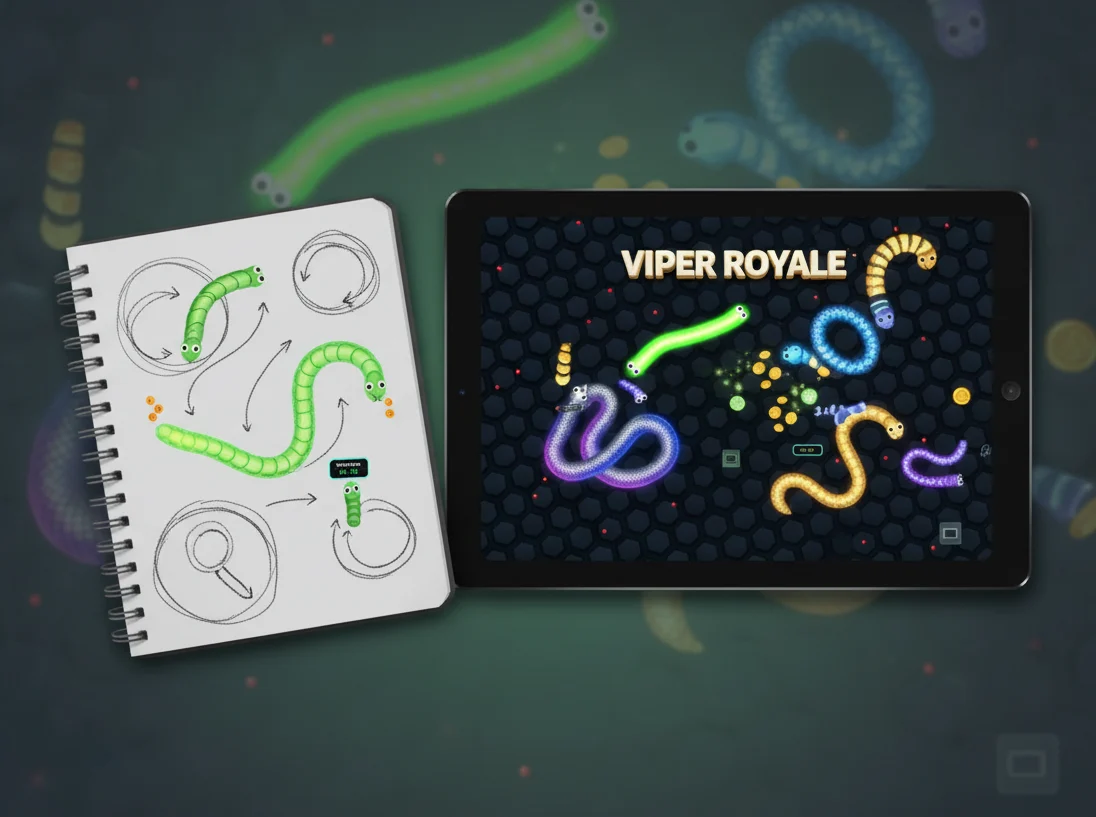
Skills that matter and how players improve
No habit makes a result certain, and real-money play can always lose money. These are the things players of skill games commonly work on over time.
- Practice with purpose. Short, focused sessions usually teach more than long, tired ones. Pick one thing to improve each time, such as timing or decision speed.
- Review your rounds. Think back over what went wrong and what went right. Noticing repeated mistakes is often the quickest way to fix them.
- Stay calm. Frustration leads to rushed choices. If you feel tilted, take a break or end the session.
- Learn the interface thoroughly. Fumbling with controls costs more than any strategic error. Familiarity frees your attention for the game itself.
- Keep stakes steady. Raising a stake to chase a loss is a pattern worth avoiding. Staying within a pre-set budget keeps decisions clearer.
- Use the tools available. Deposit limits, time reminders and self-exclusion options exist at many casinos. Setting them early is a sign of good habits, not weakness.
- Know when to stop. A finished session is a good session if you kept to your plan, whatever the result.
Skill can improve how you play, but it does not remove chance or cost from the equation.
A round from start to finish
- Join the roundOpen the game at your casino and check the balance shown on screen. Confirm your chosen stake or entry only when you are ready, since this is the moment money is committed.
- Wait for the start signalGames of this kind usually show a countdown or a clear prompt before play begins. Use those seconds to settle in and check your controls.
- Play the roundAct on what you see on screen, keeping to the objective named in the rules. Stay focused on your own decisions rather than on what others appear to be doing.
- Reach the end conditionThe round closes when the rules say it does, for example when an objective is met or you are eliminated. The game then displays the outcome.
- Check the result and your balanceLook at the outcome and at your remaining balance before doing anything else. Decide calmly whether to play again, and compare your spending with the budget you set earlier.
- Stop or continue on purposeContinuing should be a deliberate choice, not an impulse. If the budget or the time you set is used up, end the session. If gambling stops being enjoyable, support is available from Gambling Therapy at https://gamblingtherapy.org, Gamblers Anonymous at https://www.gamblersanonymous.org, and Gam-Anon at https://www.gam-anon.org for family and friends.
Questions about playing Viper Royale
- Is Viper Royale a game of skill or of chance?
- It is described as a skill game, so decisions and execution matter. Even so, real-money play always carries the risk of losing money, and results cannot be predicted. Check the game’s rules and your casino’s terms for how outcomes are settled.
- Can I try it without spending money?
- Some casinos offer demo modes for games of this kind, but availability depends on the casino. Check the game page at your casino. If no demo exists, use the smallest stake you can afford to lose while you learn.
- How do I keep my spending under control?
- Set a deposit limit and a time limit before you start, and treat the money as the price of entertainment. Many casinos provide limit and self-exclusion tools in your account settings. Stop when either limit is reached.
- Who can play, and where can I find help if gambling becomes a problem?
- You must be 18 or older, and local rules may add further requirements. Free help is available from Gambling Therapy at https://gamblingtherapy.org, Gamblers Anonymous at https://www.gamblersanonymous.org, and Gam-Anon at https://www.gam-anon.org for family and friends.